

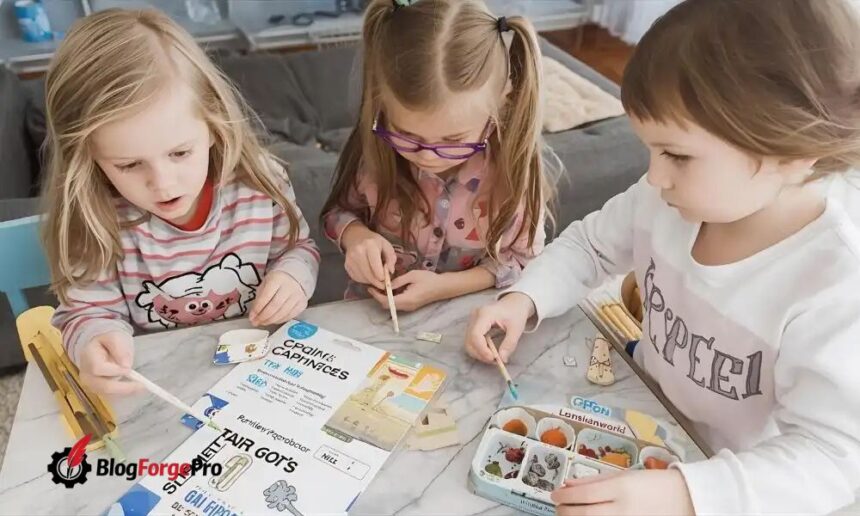
Rainy afternoons, long weekends, or those endless “I’m bored” moments — every parent knows the drill. Screens often feel like the easiest fix, but many of us crave something more meaningful. That’s where indoor activities LWMFCrafts shine. These simple, creative projects use everyday household items to spark imagination, reduce screen time, and create real family connections.
- BIO
- What Are LWMFCrafts?
- Why Screen-Free Indoor Activities Matter for Kids
- Top Easy Indoor Activities LWMFCrafts Kids Will Love
- Step-by-Step Guide to Setting Up Indoor Activities LWMFCrafts
- Creative Variations and Extensions
- Tips for Maximum Fun and Learning
- Who Is Linford Christie Wife? The Truth About Mandy Miller
- FAQ Section
- What are LWMFCrafts and why are they great for indoor activities?
- How long do these screen-free activities typically keep kids engaged?
- Are these indoor activities suitable for children with sensory needs?
- What if I don’t have many craft supplies at home?
- Can older kids (8–12 years) enjoy these LWMFCrafts too?
- How do I store finished LWMFCrafts projects?
- Conclusion
In this guide, you’ll discover why screen-free crafting matters, the best easy indoor activities LWMFCrafts for different ages, step-by-step setup tips, and practical advice to make crafting stress-free and fun.
BIO
| Label | Information |
|---|---|
| Article Title | Easy Indoor Activities LWMFCrafts Kids Can Do Without Screens |
| Craft Style | LWMFCrafts (Look What Mom Found Crafts) |
| Main Focus | Screen-free indoor activities for kids |
| Target Age | Toddlers to 12 years |
| Key Benefit | Boosts creativity and fine motor skills |
| Prep Time | Under 10 minutes |
| Mess Level | Low to medium |
| Supplies Needed | Mostly household and recycled items |
| Best Used On | Rainy days, weekends, school holidays |
| Educational Value | High – supports learning through play |
| Time Kids Stay Engaged | 30 to 90 minutes |
| Perfect For | Parents seeking screen-free fun |
| Overall Purpose | Turn boring indoor days into creative adventures |
What Are LWMFCrafts?
LWMFCrafts stands for Look What Mom Found Crafts — a popular approach to kids’ activities that emphasizes low-prep, low-mess projects using recycled or common household materials. The focus is on creativity over perfection. Instead of fancy kits, these crafts turn toilet paper rolls, cardboard boxes, old magazines, and kitchen staples into engaging play experiences.
Parents love LWMFCrafts because they’re affordable, flexible, and genuinely educational. Kids love them because they feel like real play, not structured lessons.
Why Screen-Free Indoor Activities Matter for Kids

Modern kids average far more screen time than recommended, often at the expense of hands-on exploration. Shifting to indoor activities LWMFCrafts offers clear benefits.
The Hidden Benefits of LWMFCrafts Indoor Activities Hands-on crafting improves fine motor skills, hand-eye coordination, and problem-solving. Children practice planning, testing ideas, and adapting when things don’t go as expected — all essential life skills.
How These Activities Support Child Development Creative play boosts imagination, language development (through storytelling about their creations), and emotional regulation. Completing a project gives kids a tangible sense of achievement that scrolling simply can’t match.
Perfect for Different Ages and Energy Levels From toddlers who enjoy sensory exploration to school-age kids who want more complex builds, LWMFCrafts scale beautifully. Quiet kids thrive on focused crafting, while energetic ones stay engaged through active building and role-play.
Top Easy Indoor Activities LWMFCrafts Kids Will Love
Here are seven proven favorites that require minimal supplies and deliver maximum fun.
1. Paper Roll Castle Building Turn empty toilet paper and paper towel rolls into towers, walls, and bridges. Kids paint or decorate them, then create stories around their kingdom. Great for imaginative play.
2. Nature-Inspired Collage with Recycled Materials Even indoors, use old magazines, dried leaves from a previous walk, or fabric scraps. Children cut and glue to make “nature scenes” or abstract art. This builds scissor skills and artistic confidence.
3. DIY Sensory Bottles Fill clear plastic bottles with water, glitter, beads, or colored rice. Seal tightly and let kids shake and observe. Perfect for calming fussy toddlers or curious preschoolers.
4. Cardboard Box Creations One large box can become a spaceship, robot, or puppet theater. Smaller boxes make cars or houses. This open-ended activity encourages big thinking and engineering basics.
5. No-Mess Finger Painting with Homemade Paint Mix flour, water, and food coloring for safe, washable paint. Use freezer paper or old shirts as surfaces. The tactile experience is wonderful for sensory development.
6. Storybook Puppet Theater Draw characters from favorite books on paper, attach to popsicle sticks, and perform shows behind a couch or table. This combines literacy with dramatic play.
7. Simple Origami for Beginners Start with easy shapes like boats, frogs, or hearts using printer paper. Follow visual guides together — it teaches patience and following directions.
Step-by-Step Guide to Setting Up Indoor Activities LWMFCrafts
Getting started doesn’t need to be complicated.
Materials You Probably Already Have at Home
- Cardboard boxes and tubes
- Old newspapers/magazines
- Glue sticks, tape, scissors (child-safe)
- Markers, crayons, or watercolors
- Recycled bottles and containers
- Kitchen items like rice, beans, or pasta for fillers
Quick Prep Tips (Under 10 Minutes) Clear a table or floor space. Lay down newspaper for easy cleanup. Gather supplies in a bin so kids can choose. Set a simple theme if desired (“space adventure” or “under the sea”) to spark ideas without limiting creativity.
How to Guide Kids Through Each Activity
- Show one example without doing it all.
- Ask open questions: “What should we build?” or “How can we make this stronger?”
- Step back and let them lead while offering gentle help.
- Celebrate the process more than the final product.
Clean-Up Hacks for Stress-Free Crafting
- Use washable supplies.
- Have a “finished” tray for wet projects.
- Involve kids in cleanup as part of the routine — it teaches responsibility.
Creative Variations and Extensions
Adapting Activities for Toddlers vs School-Age Kids Toddlers need bigger materials and supervision with small parts. School-age children enjoy challenges like adding working elements (wheels, doors) or themed series of crafts.
Themed Indoor Activities LWMFCrafts (Seasons & Holidays) Adapt projects to holidays — pumpkin collages in fall, snowflake origami in winter, or flower crowns (using paper) in spring.
Turning One Craft into a Full Afternoon of Fun Build the castle, then act out stories with puppets made from the same materials. One project naturally flows into another.
Tips for Maximum Fun and Learning
Encouraging Creativity Without Perfection Praise effort and ideas: “I love how you solved that problem!” rather than “It looks just like the picture.” This builds resilience and creative confidence.
Making It Educational Talk about colors, shapes, counting pieces, or the science behind mixing paints. Storytelling around creations expands vocabulary dramatically.
Common Mistakes to Avoid
- Over-directing the project.
- Expecting Pinterest-level results.
- Starting with too many supplies at once (overwhelm).
Safety First – Best Practices for Indoor Crafting Use non-toxic materials. Supervise scissors and small parts for younger children. Ensure good ventilation when using any paints or glues.
Who Is Linford Christie Wife? The Truth About Mandy Miller
FAQ Section
What are LWMFCrafts and why are they great for indoor activities?
LWMFCrafts (Look What Mom Found Crafts) focus on simple, creative projects using household items. They’re ideal for indoor activities because they’re low-cost, low-mess, and highly engaging without needing screens.
How long do these screen-free activities typically keep kids engaged?
Most hold attention for 30–90 minutes, depending on age and interest. Many kids extend playtime by inventing stories or building additional pieces.
Are these indoor activities suitable for children with sensory needs?
Yes. Sensory bottles and textured collages work especially well. You can adjust mess levels and materials to fit individual comfort.
What if I don’t have many craft supplies at home?
Start with what you have — cardboard, paper, and glue go a long way. A quick kitchen pantry scan usually reveals rice, beans, or empty containers.
Can older kids (8–12 years) enjoy these LWMFCrafts too?
Absolutely. Older children add complexity like moving parts, detailed drawings, or group projects that involve planning and teamwork.
How do I store finished LWMFCrafts projects?
Take photos for memories, then display favorites on walls or shelves. For space-saving, store smaller items in clear bins or recycle when the child is ready to move on.
Conclusion
Indoor activities LWMFCrafts offer a refreshing break from screens while nurturing creativity, skills, and family bonds. The best part? You don’t need expensive supplies or perfect conditions — just a little space, some everyday items, and willingness to explore together.
Pick one activity this week and see where it leads. You might be surprised how quickly boredom turns into laughter, stories, and proud creations. Those hands-on moments create memories that last far longer than any screen time ever could.