

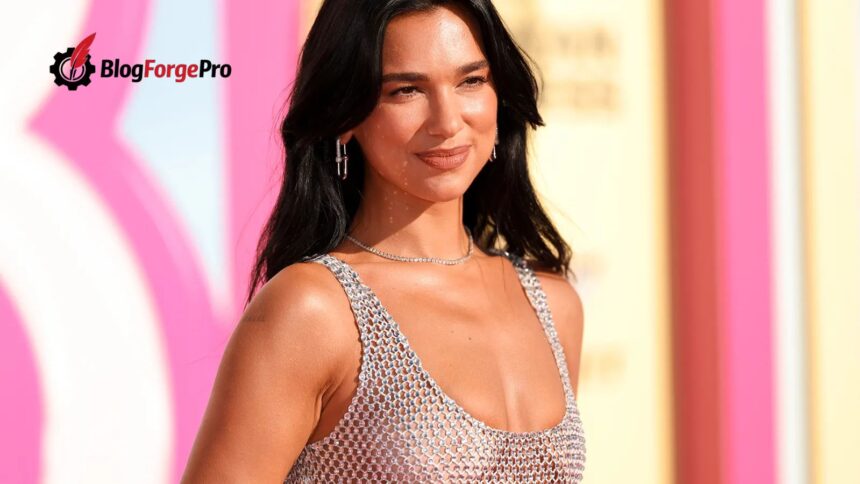
Dua Lipa has one of the most distinctive names in pop music. It rolls off the tongue, feels instantly memorable, and stands out on festival lineups and charts worldwide. Yet many fans still wonder: Is Dua Lipa her real name, or did she create something catchy for the spotlight?
- BIO
- Dua Lipa Real Name – Yes, It’s 100% Her Birth Name
- The Meaning and Origin of Dua Lipa’s Name
- Dua Lipa’s Family Background and Early Life
- Why Dua Lipa Kept Her Real Name (And Initially Disliked It)
- How Dua Lipa’s Name Reflects Her Identity and Success
- Guide: How to Pronounce Dua Lipa Correctly and Appreciate Its Cultural Context
- Who Is Mecca Morgan White? Her Story, Style & Rise
The answer is simple and refreshing in an industry full of reinventions: Dua Lipa is her birth name. No stage name, no clever rebranding—just the name her parents gave her in London on August 22, 1995. This article explores the full story behind Dua Lipa real name, its Albanian origins, her family roots, and how it shaped her identity and career.
BIO
| Label | Information |
|---|---|
| Full Name | Dua Lipa |
| Real Name | Dua Lipa (birth name) |
| Date of Birth | August 22, 1995 |
| Place of Birth | London, England |
| Nationality | British, Albanian, Kosovar |
| Parents | Dukagjin Lipa and Anesa Rexha |
| Siblings | Rina (sister) and Gjin (brother) |
| Name Meaning | “Dua” means “love” in Albanian |
| Name Origin | Kosovar Albanian |
| Pronunciation | DOO-uh LEE-puh |
| Middle Name | None |
| Cultural Heritage | Kosovo-Albanian roots |
| Known For | Pop singer and songwriter |
Dua Lipa Real Name – Yes, It’s 100% Her Birth Name
Unlike many artists who adopt glamorous pseudonyms, Dua kept things authentic from day one. She has no middle name. Her full legal name is simply Dua Lipa.
This straightforward choice turned into a major advantage. In a world where musicians often spend years crafting a persona, Dua’s real name already sounded like a star’s. It’s unique enough to be unforgettable but genuine enough to feel approachable. She has joked in interviews that having an unusual name saved her the trouble of inventing one later.
Her pronunciation is straightforward once you hear it: DOO-uh LEE-puh. The emphasis falls naturally, and the Albanian flair gives it that extra melodic quality that matches her voice.
The Meaning and Origin of Dua Lipa’s Name
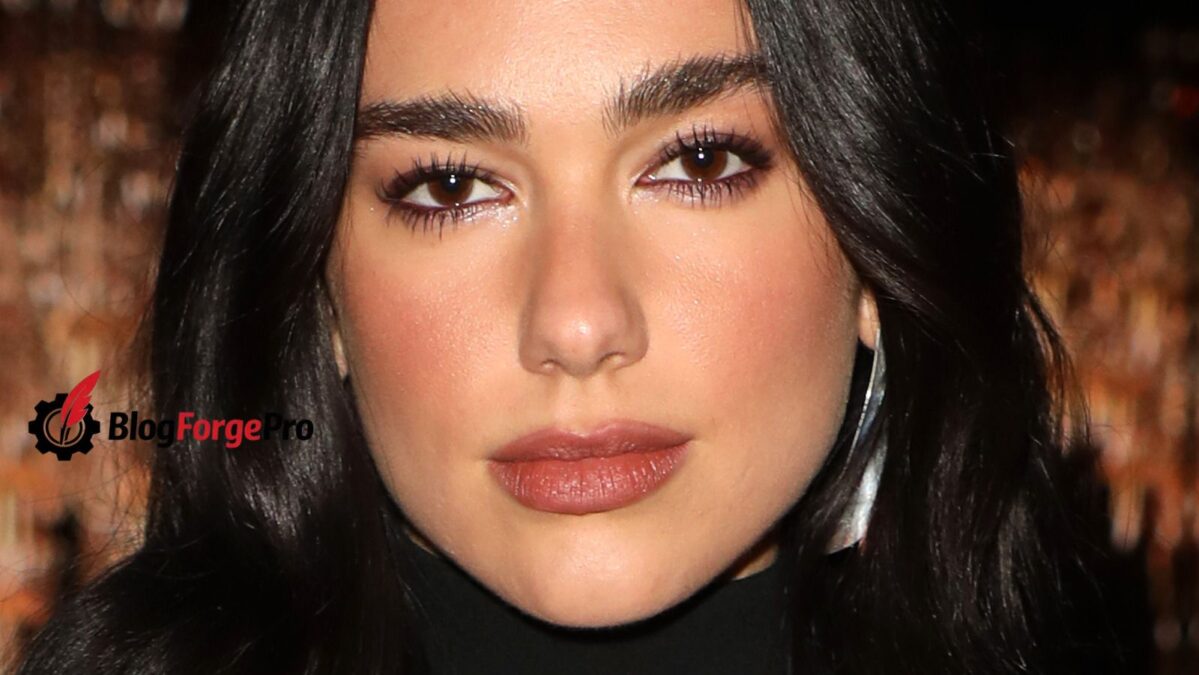
What Does “Dua” Mean?
“Dua” comes directly from Albanian and means “love” (or sometimes “prayer” or “to want/love”). Her grandmother suggested the name, and it perfectly captured the warmth her parents felt welcoming their first child.
This meaning has taken on beautiful symbolism as Dua’s career grew. Her music spreads joy, connection, and empowerment—qualities that align with a name literally meaning love. Fans often point out how fitting it feels for an artist whose songs make people dance, fall in love, and feel seen.
The Lipa Family Surname
“Lipa” is a Kosovar Albanian surname. While not as common as some others, it carries deep family history tied to the region around Pristina and Peja in Kosovo. Together, “Dua Lipa” creates a name that feels both personal and powerful—short, rhythmic, and globally pronounceable with a bit of practice.
The cultural weight of carrying an Albanian name in the British music scene adds another layer. In the 1990s and early 2000s, Albanian heritage wasn’t widely represented in mainstream pop. Dua’s decision to keep her name became a quiet but strong statement of pride.
Dua Lipa’s Family Background and Early Life
Her Kosovo-Albanian Roots
Dua’s parents, Anesa (née Rexha) and Dukagjin Lipa, are ethnic Albanians from Pristina, Kosovo. They fled to London in 1992 amid the conflicts in the former Yugoslavia, seeking safety and a new start.
Dua was born three years later in London. Her household blended British life with strong Albanian traditions—Albanian spoken at home, English at school, and a deep connection to Kosovo maintained through family stories and visits when possible.
Her father, Dukagjin, was a musician himself (lead singer and guitarist for the Kosovan rock band Oda) and introduced Dua to a wide range of music, from David Bowie and Radiohead to local sounds. This early exposure clearly shaped her eclectic style.
Growing Up Between Two Cultures
Dua has a younger sister, Rina, and a brother, Gjin. When she was around 11 (after Kosovo’s independence in 2008), the family moved back to Pristina. This period proved formative. She attended school there, improved her Albanian, and began dreaming seriously about a music career.
At 15, driven by ambition, Dua convinced her parents to let her return to London alone. She lived with family friends, finished school, and started posting cover songs on YouTube. That bold move—from Kosovo back to the UK—set her on the path to global stardom.
Her story reflects the immigrant experience many families know: balancing roots with new opportunities, feeling like “the new girl” in different places, yet drawing strength from both worlds.
Why Dua Lipa Kept Her Real Name (And Initially Disliked It)
Like many children with uncommon names, young Dua sometimes wished for something more “normal” like Hannah or Sarah while growing up in London. She stood out, and kids can be tough about differences.
As she matured, that perspective shifted. She embraced the uniqueness and the story behind it. In interviews, she has shared how proud she feels representing her heritage. Keeping her real name became an act of authenticity that resonates with fans who value genuine artists.
There’s also a practical side: her name is distinctive without being difficult to market. It helped her stand out in an industry where memorability matters.
How Dua Lipa’s Name Reflects Her Identity and Success
What is Dua Lipa real name really about? It’s about identity, pride, and staying true to yourself while chasing big dreams.
Her name connects directly to her cultural background. She has waved the Albanian and Kosovar flags at concerts, spoken out on social issues affecting the region, and even founded the Sunny Hill Festival in Pristina to support local communities. In 2025, she received Kosovar citizenship, adding to her British and Albanian nationalities.
Artists who keep their real names often project stronger authenticity. Think of how Dua’s journey—from refugee family roots to chart-topping success—feels even more inspiring because she never hid who she is. Her name tells part of that story every time it appears on a poster or screen.
Guide: How to Pronounce Dua Lipa Correctly and Appreciate Its Cultural Context
Pronouncing her name right shows respect for her background:
- Dua – Say “DOO-uh” (the “u” like in “duo”).
- Lipa – Say “LEE-puh” (soft “i” like in “leap”).
Full: DOO-uh LEE-puh.
Beyond pronunciation, learning the meaning (“love”) and her Albanian-Kosovar heritage adds depth to enjoying her music. Next time you listen to “Levitating” or “New Rules,” remember the name carries centuries of family history and personal resilience.
Who Is Mecca Morgan White? Her Story, Style & Rise
FAQ – Frequently Asked Questions
Is Dua Lipa her real name or a stage name?
Yes, it is her real birth name. She has never used a stage name.
What does Dua Lipa mean in Albanian?
“Dua” means “love.” “Lipa” is the family surname. The name was suggested by her grandmother.
Who are Dua Lipa’s parents and where are they from?
Her parents are Anesa and Dukagjin Lipa, ethnic Albanians from Pristina, Kosovo, who moved to London in the early 1990s.
Does Dua Lipa have a middle name?
No, she does not.
How do you pronounce Dua Lipa correctly?
DOO-uh LEE-puh. Practice a few times—it quickly becomes natural.
Why did Dua Lipa move back to London as a teenager?
At 15, she returned alone to pursue her music career, believing London offered better opportunities in the industry.
Conclusion
So, what is Dua Lipa’s real name? It’s exactly what you hear and see—Dua Lipa, a name meaning love, rooted in Albanian heritage, and carried proudly by a global superstar.
Her story reminds us that authenticity can be a superpower. In choosing to keep her given name, Dua showed that your roots don’t hold you back—they can launch you forward. From London to Pristina and back, through cultural duality and bold decisions, she built a career that feels as real as her name.
Next time her songs come on, you’ll hear more than catchy hooks. You’ll hear the rhythm of a name that means love—and a journey that continues to inspire millions.