
Introduction
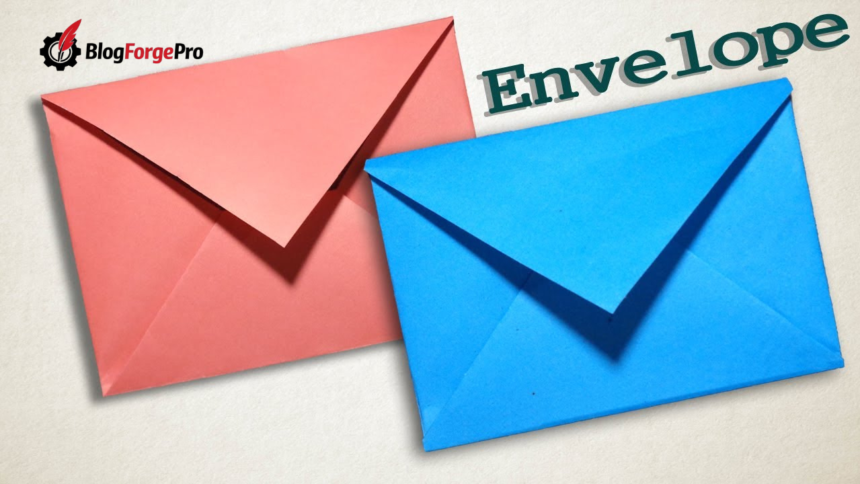
Learning how to make an envelope is simple but making one that actually looks good is where most people struggle. You’ve probably seen handmade envelopes that look uneven, bulky, or rushed. The truth is, the difference between a messy envelope and a beautiful one often comes down to a few small details: clean folds, proper proportions, and thoughtful design.
- Introduction
- Why Most Handmade Envelopes Don’t Look Good
- Materials You’ll Need
- Choosing the Right Paper
- Step-by-Step: How to Make an Envelope That Looks Neat
- Step 1: Measure and Cut Properly
- Step 2: Fold with Precision
- Step 3: Create the Bottom Pocket
- Step 4: Shape the Flap
- Step 5: Final Fold and Closure
- Simple Design Tricks to Make It Look Better
- Different Styles You Can Try
- Common Mistakes to Avoid
- Quick Tips for a Professional Finish
- When to Use Handmade Envelopes
- Conclusion
- FAQs
A well-made envelope doesn’t just hold a letter it adds personality, intention, and care. Whether you’re creating something for a gift, a note, or a special occasion, this guide will show you how to make an envelope that feels polished and visually pleasing, not homemade in a careless way.
Why Most Handmade Envelopes Don’t Look Good
Before you learn how to improve your results, it helps to understand what usually goes wrong.
Most DIY envelopes fail because of uneven folds. When the edges don’t align properly, the entire structure looks off. Another common issue is using the wrong paper size or thickness, which can make the envelope either flimsy or difficult to fold neatly.
People also tend to use too much glue or tape, creating wrinkles or visible marks. Finally, proportions are often ignored even though traditional envelopes are carefully designed with balanced flaps and symmetry.
The good news is that all of these mistakes are easy to fix once you know what to look for.
Materials You’ll Need
To make a clean and attractive envelope, you don’t need anything complicated. Keep it simple and intentional.
Basic materials include:
- A sheet of paper (A4, square, or decorative)
- Scissors
- Glue or double-sided tape
- A ruler
- A pencil for light marking
Optional materials can elevate the final look:
- Decorative or patterned paper
- Washi tape or stickers
- A bone folder (or any flat object for crisp folds)
The key is not how many tools you use, but how carefully you use them.
Choosing the Right Paper
Paper choice has a bigger impact than most people realize. It affects both how your envelope looks and how easy it is to make.
Medium-weight paper works best. If the paper is too thin, the envelope may look cheap or tear easily. If it’s too thick, it becomes hard to fold cleanly. You can use anything from standard paper to cardstock or wrapping paper depending on your purpose.
Color and pattern also matter. Neutral tones or subtle designs often look more refined, while overly busy patterns can make the envelope feel cluttered.
If you want your envelope to look good, start with paper that already looks good.
Step-by-Step: How to Make an Envelope That Looks Neat
Step 1: Measure and Cut Properly
Start by deciding the size of your envelope. If you’re placing a card inside, your paper should be slightly larger usually a few centimeters wider and taller than the card itself.
Use a ruler to ensure straight edges. Cutting freehand may seem faster, but it often leads to uneven sides, which will affect every fold that follows.
Clean beginnings lead to clean results.
Step 2: Fold with Precision
Place your paper on a flat surface and begin folding the sides inward. Make sure both sides are symmetrical.
Press each fold firmly. The first creases set the foundation for the entire structure, so taking your time here makes a visible difference.
A sharp fold gives your envelope structure and a professional feel.
Step 3: Create the Bottom Pocket
Fold the bottom section upward to form the main pocket of the envelope. Apply glue or tape only along the side edges not across the entire surface.
This step is where many envelopes go wrong. Too much adhesive causes wrinkles or stiffness. A light, controlled application keeps everything smooth.
Press gently and allow it to set before moving on.
Step 4: Shape the Flap
The top flap is what people notice first, so it deserves attention.
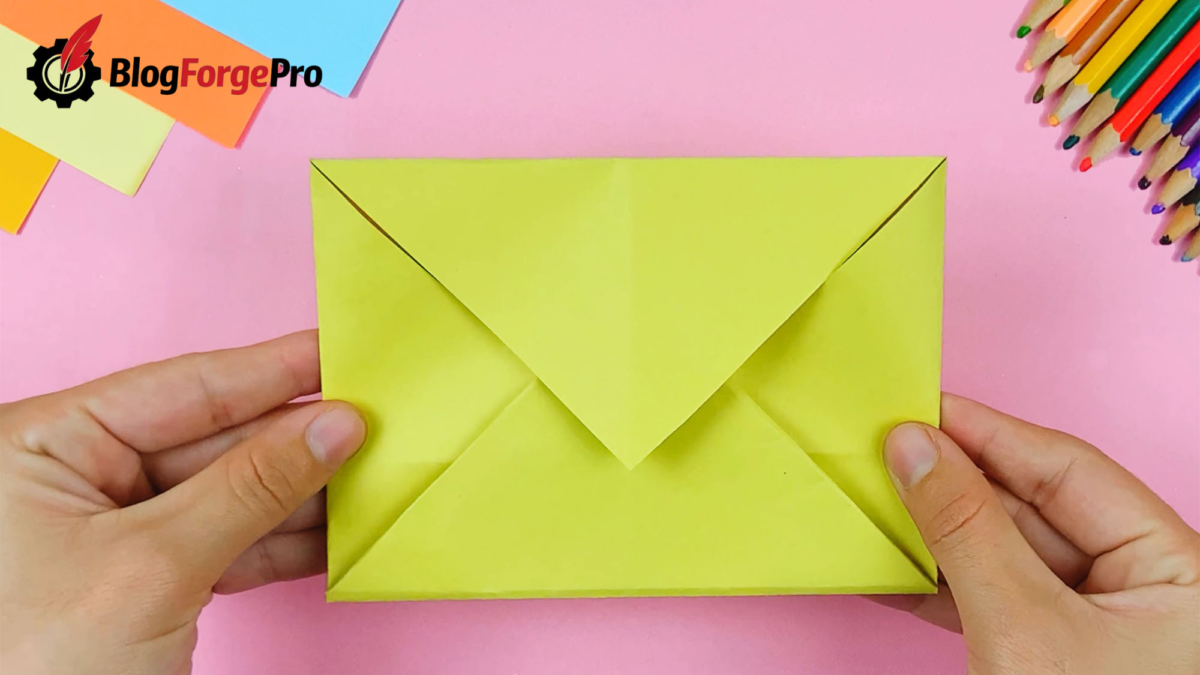
You can create a triangular flap by folding the top corners inward so they meet in the center. This classic shape looks balanced and clean.
Make sure the tip of the flap aligns with the center of the envelope. Even a slight shift can make the design feel off.
Step 5: Final Fold and Closure
Fold the top flap down to complete your envelope. You can leave it open, seal it with glue, or use a sticker for a decorative touch.
At this stage, check your edges. If everything lines up neatly, you’ve done it right.
Simple steps, done carefully, are what make the difference.
Simple Design Tricks to Make It Look Better
Once your envelope is structurally sound, small design choices can elevate it further.
Adding a thin border around the edges can create a clean frame. A contrasting inner lining gives depth and makes the envelope feel more thoughtful.
Keep decorations minimal. Overdoing it often makes the envelope look cluttered rather than creative. A single sticker, stamp, or handwritten name is usually enough.
Alignment is everything. Whether it’s a label or decoration, placing it in the center or along clean lines instantly improves the overall look.
Different Styles You Can Try
Not every envelope has to look the same. Once you understand the basics, you can explore different styles.
A classic rectangular envelope is perfect for letters and formal use. Square envelopes work well for greeting cards and invitations.
You can also create small envelopes for notes or gift cards. These are especially effective when made with decorative paper.
Origami-style envelopes are another option. These often don’t require glue and rely entirely on folding techniques, making them both functional and visually appealing.
Each style offers a different feel, so choose based on the purpose.
Common Mistakes to Avoid
Even with the right steps, a few habits can ruin the final result.
Using flimsy paper is one of the biggest mistakes. It makes even a well-folded envelope look weak. Crooked folds are another issue, usually caused by rushing or skipping measurements.
Applying too much glue can create bumps and stains. Over-decorating can distract from the structure instead of enhancing it.
Finally, ignoring proportions can throw off the entire design. Traditional envelopes are based on balanced shapes and flaps for a reason.
Avoiding these mistakes will instantly improve your work.
Quick Tips for a Professional Finish
If you want your envelope to stand out, focus on the details.
Always measure before cutting or folding. Use a hard, flat surface to get sharper creases. Align edges carefully at every step.
Practice once using scrap paper before working on your final version. This helps you refine your technique without wasting good materials.
Take your time. A well-made envelope doesn’t require advanced skills just patience.
When to Use Handmade Envelopes
Handmade envelopes are more than just a craft they add meaning.
They’re perfect for personal letters, where a custom envelope feels more thoughtful than a store-bought one. They also work beautifully for invitations, gift notes, and special occasions.
Because you control the size, color, and design, you can match the envelope to the message inside. This level of customization is something standard envelopes can’t offer.
Conclusion
Learning how to make an envelope is easy. Learning how to make one that actually looks good takes a bit more care but it’s absolutely worth it.
When you focus on clean folds, proper proportions, and simple design choices, your envelopes begin to look intentional rather than improvised. You don’t need expensive tools or advanced techniques. You just need attention to detail and a willingness to slow down.
Start with the basics, practice a few times, and experiment with different styles. Over time, you’ll not only make envelopes you’ll create something that feels personal, polished, and genuinely well-made.
FAQs
1. What is the easiest way to make an envelope at home?
The easiest way is to use a single sheet of paper, fold the sides inward, bring the bottom up to form a pocket, and then fold the top flap down. Keeping your folds straight and even makes the biggest difference.
2. What type of paper works best for making envelopes?
Medium-weight paper works best because it holds its shape without being too stiff. Decorative paper, craft paper, or light cardstock can give your envelope a cleaner and more polished look.
3. Can I make an envelope without glue or tape?
Yes, you can. Origami-style envelopes rely on precise folding techniques to stay closed without any adhesive, making them both simple and neat.
4. How can I make my handmade envelope look professional?
Focus on clean folds, proper alignment, and minimal decoration. Using a ruler, pressing folds firmly, and avoiding excess glue can instantly improve the overall appearance.
5. What size should I use when making an envelope?
Your paper should be slightly larger than the item you want to place inside. Leaving a small margin around your card or letter ensures it fits comfortably without damaging the envelope.